



Agriculture & Food

Viewpoint: As the BBC spews organic farming propaganda, the world’s poor suffer
How many people around the world are currently living in poverty? The World Bank reports that a little over 9%, ...

Poverty, food and brain health: Lack of nutritious food leaves multi-generational impact on our bodies and minds
You are what you eat, according to the adage. But it’s not just the body that’s impacted. According to research ...

GLP podcast/video: ‘Industrial’ seed oils unhealthy? A mom’s guide to anti-GMO myths; Opposites actually don’t attract
Are so-called "industrial" seed oils slowly killing us? Probably not. One mom and farmer says other parents shouldn't be scared ...

Muslim and Jewish leaders debate whether lab-grown protein is Halal or Kosher
Lab-grown meat has begun getting the green light from regulators and is making its way onto restaurant menus. Still, not ...

‘Museum of Agriculture’? Could that be the fate of European farming if Greenpeace and other environmental activists succeed in blocking deregulation of crop gene editing?
The war between science and anti-crop biotechnology advocacy groups has escalated since the summer release of the European Commission Report ...

Despite shouldering some of the blame for climate change, could agricultural technology actually cut emissions?
As the Earth’s human population grows, greenhouse gas emissions from the world’s food system are on track to expand ...

Nocturnal farming: How climate change might force farmers to rethink their early-to-rise schedule
Rising temperatures in key agricultural regions across the United States are leading more farmers to harvest in the middle of ...

GLP podcast/video: Nutrition myths, debunked; Could ChatGPT spread vaccine misinfo? Treating mental illness with CRISPR might be a bad idea
The public accepts a lot of myths about nutrition. Let's examine 10 of the most common, but scientifically dubious ideas ...

Pesticides and Food: It’s not a black or white issue — How do organic pesticides compare to synthetic pesticides?
Many consumers choose to buy higher-priced organic produce because they believe organic foods are not grown using pesticides and therefore ...
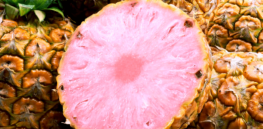
‘Pinkglow’ pineapple: What gives this genetically-modified pink pineapple its distinctive rosy color?
Scientists have engineered a pink pineapple: It's unassuming on the outside but a blushing pink on the inside. The new ...
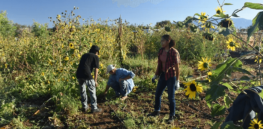
Quixotic vision: Why advocates’ obsession with agroecology will prolong poverty in Africa and the rest of the developing world
Like in the rest of the world, the vision for the future of agriculture in the developing world is highly ...

How a ‘foreign invasion’ contributed to Hawaii’s devastating wildfires
After a catastrophic wildfire that killed more than 100 people in Hawaii, eyes have turned toward an unexpected culprit: invasive ...

Grasshoppers under siege: Here’s how climate change depletes insect populations and threatens the global food supply
It’s tough out there for a hungry grasshopper on the Kansas prairie. Oh, there’s plenty of grass to eat, but ...

Tiny pollinating drones come to rescue of overworked bees
About two-thirds of the crops that feed the world rely on pollination by bees and other insects. Without them, we’d ...
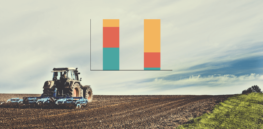
Pesticides and Food: It’s not a black or white issue — Part 5: Soil health ― When synthetic pesticides are more sustainable than ‘natural’ organics
Most consumers believe organic farming avoids pesticides and prioritizes the health of the environment more than conventional farming. However, this ...
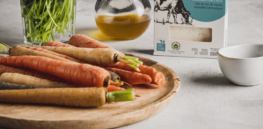
You can’t label it feta: Europe ignites food war with US, demanding that only cheeses produced in their origin region can use ‘historically trademarked’ names
The U.S. cheese industry in particular has chafed against the EU regulations, which protect almost 300 cheeses. To be called ...
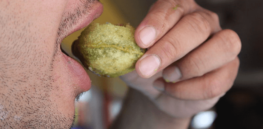
Training our taste buds: How genes and diet shape our food preferences
Have you ever wondered why only hummingbirds sip nectar from feeders? Unlike sparrows, finches and most other birds, hummingbirds can taste ...

Should University Agricultural Research Scientists Partner With Industry?
Studies show research on GE crops is not significantly influenced by conflicts of Interest. However, it is important to remain ...
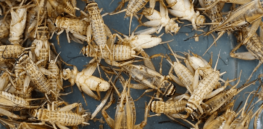
Pest to protein: Indian aquaculture farmers explore economic and sustainability benefits of insect-based feed
Insects are emerging as a viable source of sustainable alternative ingredients – primarily insect protein concentrate or insect meal and ...
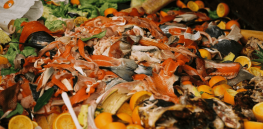
Climate change impact of food waste: ⅓ of our food is wasted contributing to half of agriculture’s carbon footprint
Around a third of human-generated greenhouse gas emissions comes from the global food system, and lost or wasted food is known ...
GLP podcast and video: PFAS bans could do more harm than good; Risks and benefits of ‘magic mushrooms’; ‘Ultra-processed’ foods are nutritious
There are growing calls to ban PFAS chemicals to protect public health. The problem is, these substances are used in ...
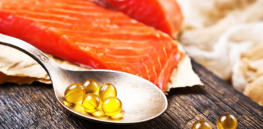
Making waves in aquaculture: Norway approves plant-based omega-3 oil that replaces fish with biotech canola
The Norwegian Food Safety Authority (NFSA) granted approval for Aquaterra® Omega-3 oil for use in fish feed applications according to ...
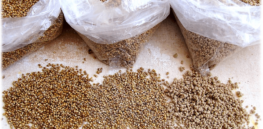
Growing more ancient grain millet could help American farmers adapt to climate change
The Midwest is known for its rows and rows of corn and soybeans that uniformly cover the landscape ...

Understanding links between energy and agriculture
My parents were Calabrian. During the first half of the 20th century, my father was an orange picker and a ...
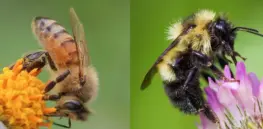
Protecting honeybees and wild bees from neonicotinoid pesticides? As environmentalists and politicians lobby for bans, science takes a backseat
There has been a recent surge in the number and intensity of campaigns by environmental groups lobbying to ban many ...
Viewpoint: Sustainable, natural, chemical, toxic — Words used by activists to label agriculture can distort science and turn the public against sensible farming
Reality is perceived by the definitions we give; the black and white lines we draw upon a grey canvas. So, ...

What makes ‘ultra-processed food’ so unhealthy?
A recent analysis by the Access to Nutrition Initiative finds about 70% of food products sold in the U.S. are unhealthy — ...
