GMO crops increase yields, benefit the environment

Among the winners in this month’s elections were foods containing genetically modified organisms. And, it’s possible that labeling laws, if passed, would have decreased the amount of farmland, in the U.S. and abroad, given over to modified crops. That was the goal of many labeling proponents in recently lost ballot initiatives, and a new study suggests it would have been a bad result.

The study doesn’t look at the health effects of GMOs. Thousands of independent studies have already done so and found that GMOs are perfectly safe to eat. The new research instead looks at the costs and benefits for agriculture and the environment, a question on which there is less consensus.

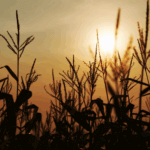
The new study, in the journal PLOS One, comes down strongly on the pro-GMO side. It’s a meta-analysis that aggregates and examines the results of 147 existing research studies looking at GM soybeans, maize and cotton, the world’s biggest GM commodity crops. The authors, a pair of agricultural economists at Germany’s University of Göttingen, found that GM technology increased crop yields by 22 percent, reduced pesticide use by 37 percent, and increased farmer profits by 68 percent.

A few details jump out from the study. For one, the benefits were greater in those GM crops that produced their own pesticides rather than those engineered for herbicide resistance—the latter trait has been hugely convenient for farmers, but has also shown a greater rebound effect as weed species evolved resistance to the chosen herbicides.

The yield and profit gains were also greater in developing countries than in developed countries.

Read the full original story: How GMO Crops Can Be Good for the Environment

{{ reviewsTotal }}{{ options.labels.singularReviewCountLabel }}
{{ reviewsTotal }}{{ options.labels.pluralReviewCountLabel }}
{{ options.labels.newReviewButton }}
{{ userData.canReview.message }}

Related Articles

Infographic: Global regulatory and health research agencies on whether glyphosate causes cancer

Infographic: Global regulatory and health research agencies on whether glyphosate causes cancer

Does glyphosate—the world's most heavily-used herbicide—pose serious harm to humans? Is it carcinogenic? Those issues are of both legal and ...

Most Popular

Screenshot-2026-04-20-at-2.26.27-PM
Viewpoint — Food-fear world: The latest activist scientists campaign: Cancer-causing additives
Screenshot-2026-03-13-at-12.14.04-PM
The FDA wants to make many popular prescription drugs OTC—a great idea. Here’s why it’s unlikely to happen
ChatGPT-Image-May-1-2026-02_20_13-PM
How RFK, Jr.’s false vaccine claims are holding up $600 million to fight diseases in poor countries
Screenshot-2026-05-01-at-11.56.24-AM
‘Science moves forward when people are willing to think differently’: Memories of DNA maverick Craig Venter
Screenshot-2026-04-03-at-11.15.51-AM
Paraben panic: How a flawed study, media hype, and chemophobia convinced the public of the danger of one of the safest classes of preservatives
viva-la-vida-watermelons
Misinformation and climate change are endangering summer watermelons
Screenshot-2026-04-30-at-2.19.37-PM
5 myths about summer dehydration that could damage your health — or even kill you
ChatGPT-Image-Mar-27-2026-11_27_05-AM
The myths of “process”: What science says about the “dangers’ of synthetic products and ultra-processed foods
Screenshot-2026-05-04-at-12.54.32-PM
How Utah became the country’s supplement capital  — and a haven for unregulated, ineffective and fake products
Drinking lots of water can help reduce the effects of aging
Nanoplastics in drinking water: MAHA activists forge science-based bipartisan coalition 
ChatGPT-Image-Mar-10-2026-01_39_01-PM
Viewpoint—“Miracle molecule” debunked: Why acemannan supplements don’t work
79d03212-2508-45d0-b427-8e9743ff6432
Viewpoint: The Casey Means hustle—Wellness woo opportunism dressed up as medical wisdom
circular-bioeconomy-should-focus-on-sustainable-wellbeing
GLP podcast: What's wrong with 'doomsday' environmentalism? It's false.
glp menu logo outlined

Get news on human & agricultural genetics and biotechnology delivered to your inbox.