Peter Singer is the world’s most prominent and controversial moral philosopher. He talked with Lars Mensel and Max Tholl about techno-skepticism, trash TV, and why our becoming less human might ultimately save humanity:
I am dissenting from the idea that we should be more suspicious of technology. I am not particularly troubled by our relationship with technology — I am troubled by our relationship with some particular technologies. But the general attitude that technology is a bad thing is a mistake.
There have been some negative consequences from attempting to genetically modify pigs in order to make them more compatible with humans for organ donation. Those pigs have suffered all sorts of health problems. And they haven’t produced compatible organs, haven’t solved the problem of organ shortage.

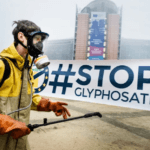
There are some positive effects from genetically modifying crops. Genetically modified corn in the United States is resistant to some pests and is generally considered a good thing. Golden rice is a modified crop that we haven’t yet allowed to be grown on a wide scale, but it looks like a promising way to overcome vitamin A deficiency in countries where rice is the staple food — and could save the lives of many children who would otherwise die. It doesn’t look like there is any major downside to it. That is an example of a technology with an entrenched opposition on grounds that certainly had some basis when GMOs were introduced. I am not saying they have no basis anymore — we still need to be careful — but the testing has been quite extensive and the benefits are as significant as they can be. It is time to say: “Let’s be cautious but not have an ideological opposition to anything that is genetically modified; let’s go ahead with it.”
Read full, original interview: Peter Singer: ‘We Need To Be More Cautious With Our Caution’