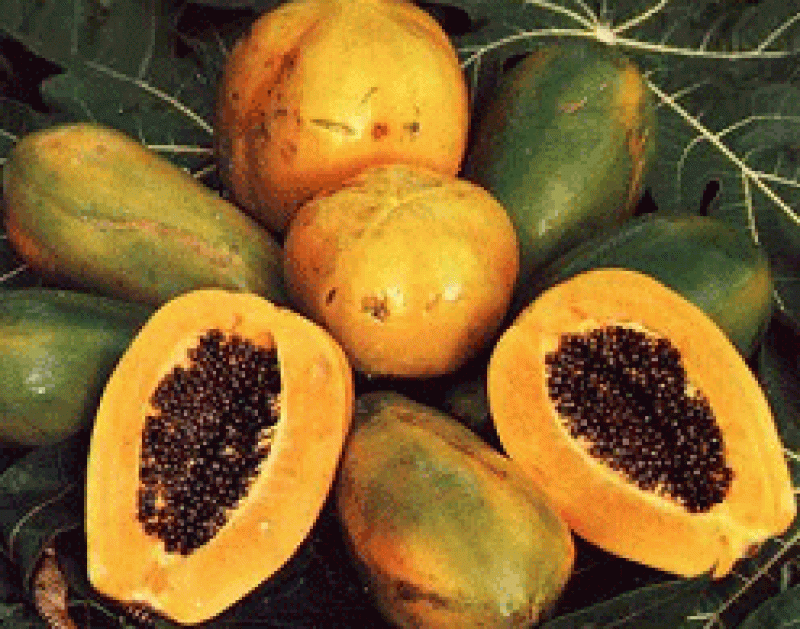
 A breakthrough in Japan, which has been historically precautionary about GM foods: “Rainbow” papayas–genetically modified to withstand the deadly ringspot virus and the first GM food Japan has approved for commercial release, are now on sale. The story of the use of transgenic technology is particularly compelling as it defeated the ringspot virus that had devastated the conventional crop, literally saving the papaya industry in Hawaii. It offers an object lesson in the future potential for GM 2.0–the incipient revolution of GM foods–and the dangers of simplistic anti-GM activism.
In the middle of the 20th century, as Hawaiian papaya farmers started to enjoy commercial success, the ringspot virus appeared almost out of nowhere. The high rate of crop failures made it economically pointless to raise the the crop, and it was on the verge of dying off, with sales dwindling to less than $1 million. Dennis Gonsalves, then of Cornell University, learned how to take a piece of the ringspot virus and use it to “inoculate” trees, much as vaccines can improve immunity against diseases in people. In 1998, farmers began raising GM papayas, which are just as nutritious and delicious as the conventional ones they replaced. The ringspot virus is still out there, ready to wreak havoc–but it won’t infect any of the trees that descend from the innovation of Gonsalves.. It was a huge defeat for anti-GM ideologues and a real life demonstration of the potential for GM technology.
Additional Resources:
- Hawaii’s biotech papayas, Truth About Trade & Technology
- Biotech: Is organic GM the answer?, AEI
- Organic consumers oppose crop saving papaya, Organic Consumers Association
- Transgenic papaya: A case for managing risks of papaya ringspot in Hawaii, NCBI