New EU independent herbicide glyphosate study shows no toxic effects or genetic changes

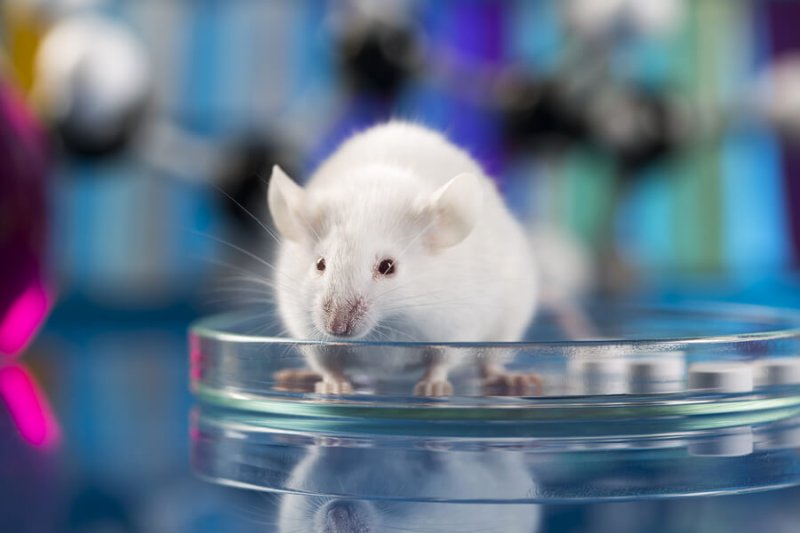
Glyphosate Mouse Study

Results of a new animal study into possible health risks of the weedkiller glyphosate will be published in time to inform a key EU re-licensing vote due by the end of 2017, according to the researcher leading the trial.

A row over possible effects of glyphosate – an ingredient in Monsanto’s big-selling herbicide Roundup – has prompted investigations by congressional committees in the United States and forced a delay in Europe to a decision on whether it should be banned or re-licensed for sale.

Italian scientist Fiorella Belpoggi said experimental rats exposed to the herbicide at levels equivalent to those allowed in humans showed no initial adverse reaction.

“Exposed animals had no evident differences from non-exposed animals,” Belpoggi, who is director of the Cesare Maltoni Cancer Research Centre at the Ramazzini Institute in Italy, said in a telephone interview.

“But this tells us very little at the moment, because the examinations of key parameters that could be affected by exposure are still being done (and) we are waiting for those results,” Belpoggi added.

Those parameters include any genetic changes, as well as potential toxic effects on measures related to fertility, such as sperm, embryo development and offspring growth, she said.

The GLP aggregated and excerpted this blog/article to reflect the diversity of news, opinion, and analysis. Read full, original post: New study on Monsanto weedkiller to feed into crucial EU vote

For more background on the Genetic Literacy Project, read GLP on Wikipedia

{{ reviewsTotal }}{{ options.labels.singularReviewCountLabel }}
{{ reviewsTotal }}{{ options.labels.pluralReviewCountLabel }}
{{ options.labels.newReviewButton }}
{{ userData.canReview.message }}

Related Articles

Infographic: Global regulatory and health research agencies on whether glyphosate causes cancer

Infographic: Global regulatory and health research agencies on whether glyphosate causes cancer

Does glyphosate—the world's most heavily-used herbicide—pose serious harm to humans? Is it carcinogenic? Those issues are of both legal and ...

Most Popular

newborn infant baby mother
Facts & Fallacies Podcast: The truth about vitamin K shots
Screenshot-2026-06-16-at-10.02.22-PM
Viewpoint: ‘Industrial food’ primer—Challenging the dangerous delusions of the alternative food movement
ChatGPT-Image-Jun-9-2026-01_11_37-PM
Turmeric supplements: More risks than benefits
Screen Shot at AM
Facts & Fallacies Podcast: Right-wing politics bad for your health? Separating speculation from science
ChatGPT Image Jun 16, 2026, 12_03_37 PM
Kennedy accused of trying to ‘bully’ science journal that retracted study linking vaccines to infant deaths
ChatGPT-Image-Jun-3-2026-04_29_13-PM
Viewpoint: While unvaccinated children are dying overseas, Congress challenges Trump and Kennedy’s block on aid
Screenshot-2026-06-16-at-11.23.32-AM
In a rebuke to RFK, Jr.’s anti-vax crusade, journal retracts study claiming hepatitis B vaccine–autism link
Screenshot-2026-06-16-at-12.33.01-PM
Who’s responsible when AI lies? Google challenging court ruling that search results are not protected from legal liability
ChatGPT-Image-Jun-15-2026-11_00_13-AM-2
Glucosamine alert: Alzheimer’s progresses faster among those taking the popular supplement
Screenshot-2026-06-16-at-12.46.54-PM
Viewpoint: “Dead Wrong”—Understanding healthcare’s misinformation epidemic
Screenshot-2026-06-05-at-2.12.30-PM
Some plants can poison you. So how did humans figure out what is safe to eat?
ChatGPT-Image-Jun-15-2026-12_13_41-PM
Viewpoint: Behind the effort to re-purpose the tobacco attack strategy to fight ultra-processed foods
ChatGPT-Image-Mar-10-2026-01_39_01-PM
Viewpoint—“Miracle molecule” debunked: Why acemannan supplements don’t work
glp menu logo outlined

Get news on human & agricultural genetics and biotechnology delivered to your inbox.