Green genes: Germany’s top organic researcher says environmentalists should embrace CRISPR editing

Spotlight sustainable Agriculture

[Editor’s note: The following is a Q&A with Urs Niggli, director of the Research Institute for Organic Agriculture in Germany. It has been translated from German by Google.]

New techniques are currently revolutionizing genetic research. They allow extremely precise changes to the genome…. This so-called genetic surgery changes the debate about the risks and chances of interventions in the genome.

Urs Niggli

Mr. Niggli is currently discussing a new form of “Green Genetic Engineering” …. The so-called CRISPR/Cas method is the focus of the debate.

What could be achieved with this procedure?

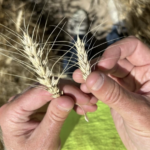
[T]here are already new varieties of wheat, maize, millet, rice and tomato. … For farmers — even for eco-farmers — the new method opens up many opportunities: plants that are better suited to difficult environmental conditions — such as drought, soil dampness or salinization — can be bred. The fine root architecture could be improved so that the roots absorb more nutrients such as phosphorus or nitrogen from the soil. Tolerance or resistance to diseases and parasites, storage and quality of food and feed could also be improved. Critics like to dismiss these possibilities as empty promises. I think these are obviously ecological improvements that can reduce the big problems of conventional agriculture.

I strongly advocate a case-by-case approach and am opposed to a general demonization of the new genetic engineering.

The GLP aggregated and excerpted this blog/article to reflect the diversity of news, opinion, and analysis. Read full, original post: Eco-researcher: “I am against a general demonization of the new genetic engineering” (IN GERMAN)

{{ reviewsTotal }}{{ options.labels.singularReviewCountLabel }}
{{ reviewsTotal }}{{ options.labels.pluralReviewCountLabel }}
{{ options.labels.newReviewButton }}
{{ userData.canReview.message }}

Related Articles

Infographic: Global regulatory and health research agencies on whether glyphosate causes cancer

Infographic: Global regulatory and health research agencies on whether glyphosate causes cancer

Does glyphosate—the world's most heavily-used herbicide—pose serious harm to humans? Is it carcinogenic? Those issues are of both legal and ...

Most Popular

ChatGPT-Image-Feb-16-2026-01_57_31-PM
Viewpoint: ‘Science-as-Satan’ unites the MAHA—MAGA movements. Is a breakup in the works?
ChatGPT-Image-Apr-22-2026-11_06_18-AM
Wellness influencer nonsense: No, nicotine does not boost cognition and productivity, but it can damage your health 
bayer-supremecourt-lt
EPA concludes glyphosate is not carcinogenic. Missouri courts say Monsanto failed to warn it might be. SCOTUS weighs in.
Screenshot-2026-04-13-at-3.54.04-PM
AI disinformation stress test: Challenges and response strategies
ChatGPT-Image-Feb-16-2026-01_04_32-PM
Raw milk myth wake-up call
ChatGPT-Image-Mar-11-2026-11_58_46-AM
The Trump administration has run out more than 4,000 National Institutes of Health employees. Here are the consequences
Screenshot-2026-04-21-at-1.11.22-PM
Boy Kibble: Muscle-building protein maxxing is the latest male health delusion
Screenshot-2026-04-15-at-1.22.58-PM
Anti-biotechnology activists smear hybrid wheat breakthrough that could surge yields in poorer countries
ChatGPT-Image-Mar-2-2026-03_22_54-PM
Why ‘support supplements’ for GLP-1 users are mostly a waste of money
ChatGPT-Image-Apr-23-2026-09_20_20-PM
Kennedy’s CDC blocks publication of study that shows vaccines reduce hospitalizations by 50%, then misrepresents why
Screenshot-2026-04-21-at-1.01.07-PM
Back to the vax — Is the measles surge testing MAHA’s vaccine rejectionism?  
glp menu logo outlined

Get news on human & agricultural genetics and biotechnology delivered to your inbox.