US producers struggling to keep up with rising demand for organic, non-GMO grains

x

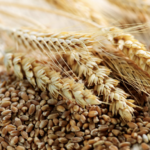
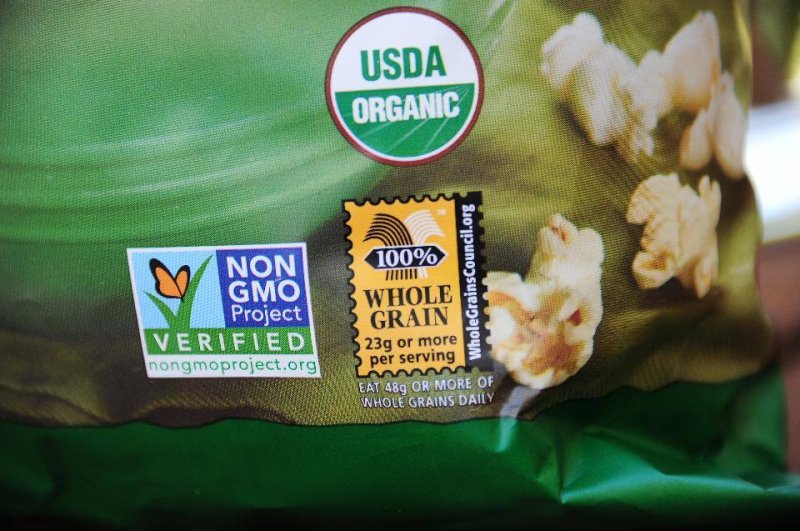
Increasing consumer demand for organic and non-GMO foods led to a sharp rise in organic grain imports in 2016 — prompting food manufacturers to explore new incentives for U.S. growers transitioning to organic production, according to a new report from CoBank.

While U.S. production of non-GMO crops has risen, domestic production of organic corn and soybeans remains well short of demand.

Imports of organic grains, particularly corn, from countries such as India, Ukraine, Romania and Turkey surged in 2016 to meet the burgeoning U.S. demand for organic food products.

Organic corn imports more than doubled from 2015 to 2016 and accounted for nearly one-half of the U.S. organic corn supply.

The domestic shortfall for organic soybeans was even greater, with roughly 80 percent of soybeans supplying the U.S. organic market imported in 2016.

Animal feed for organically raised dairy, beef, pork and poultry products and ingredients used in organic consumer packaged goods are the two principal markets for organically produced grains.

For U.S. farmers to satisfy this growing appetite for organic foods, analysts estimate between one and five million U.S. acres would have to be transitioned to organic production.

The GLP aggregated and excerpted this blog/article to reflect the diversity of news, opinion, and analysis. Read full, original post: CoBank Report Shows Rising Demand For Organic and Non-GMO Grains Outpaces U.S. Production 

{{ reviewsTotal }}{{ options.labels.singularReviewCountLabel }}
{{ reviewsTotal }}{{ options.labels.pluralReviewCountLabel }}
{{ options.labels.newReviewButton }}
{{ userData.canReview.message }}

Related Articles

Infographic: Global regulatory and health research agencies on whether glyphosate causes cancer

Infographic: Global regulatory and health research agencies on whether glyphosate causes cancer

Does glyphosate—the world's most heavily-used herbicide—pose serious harm to humans? Is it carcinogenic? Those issues are of both legal and ...

Most Popular

Picture1-5
Science Disinformation Gap: The transatlantic battle over social media and censorship
Screenshot-2026-04-23-at-11.00.36-AM
Regulators' dilemma: Thalidomide, Metformin, and the cost of getting drug approvals wrong
ChatGPT-Image-May-12-2026-08_39_41-PM
GLP podcast: Big Pharma, Big Ag, Big Food—health harming industries or life-saving innovators?
ChatGPT Image May 10, 2026, 08_16_59 PM 2
Overmedicalization? RFK Jr.’s antidepressant crackdown raises conflict questions over his fee stake in Wisner Baum, the tort firm built on suing drug makers
Screenshot-2026-05-12-at-9.58.31-PM
'He seems fine': Marty Makary out as FDA commissioner
Picture1-1
Cooling the planet with balloons: Could a geoengineering gamble slow global warming?
Screenshot-2026-05-12-at-10.05.11-AM
Pro-vaccine “hero” vs. an anti-vax “villain”: ‘Bad Vaxx’ video stirs MAHA backlash
Screenshot-2026-05-11-104424
Hantavirus outbreak research: Trump administration shut down study last year on rodent-to-human transmission

Picture1-14
When superbugs threaten vulnerable children: Can AI help solve antibiotic resistance?
ChatGPT Image May 12, 2026, 10_19_00 AM 2
Viewpoint— 'Muscular governance': How authoritarianism is surging corporate-linked energy misinformation
S
As vaccine rejectionism spreads, measles may be taking a more dangerous turn
Screenshot-2026-05-01-at-1.29.41-PM
Viewpoint: What happens when whole grains meet modern food manufacturing? Labels don’t tell the whole story.
Screenshot 2026-05-11 at 11.30
Despite politicized disinformation, Midwest AI data centers are fueling a solar energy boom
glp menu logo outlined

Get news on human & agricultural genetics and biotechnology delivered to your inbox.