USDA will not regulate Scotts’ and Monsanto’s glyphosate-resistant GMO grass

Screen Shot at AM
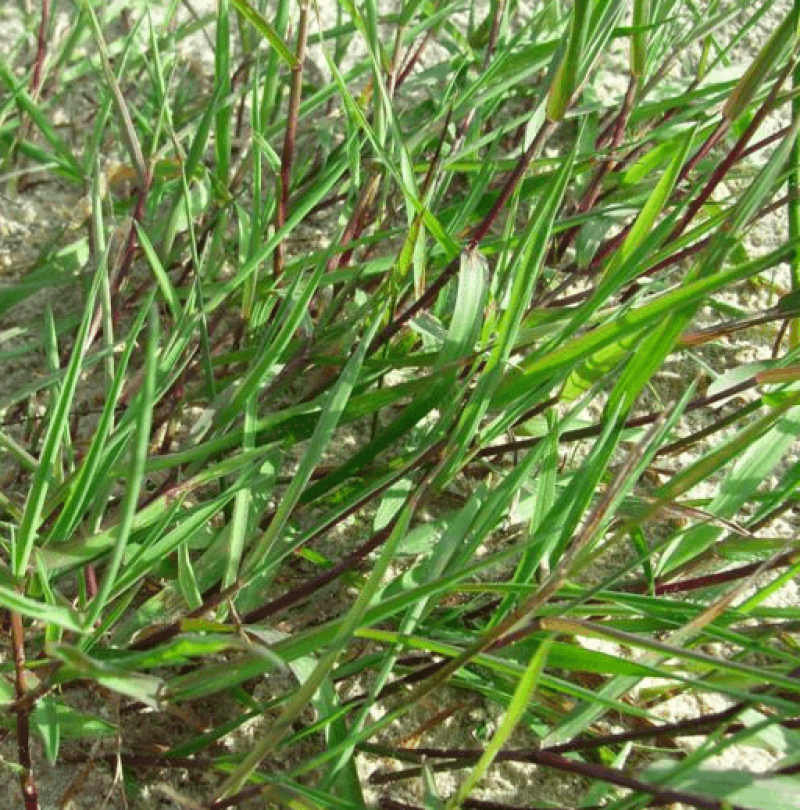
Creeping bentgrass

APHIS [Animal and Plant Health Inspection Service] received a petition from the Scotts Company of Marysville, OH, and Monsanto Company of St. Louis, MO (Scotts/Monsanto), seeking a determination of nonregulated status of creeping bentgrass (Agrostis stolonifera L.) designated as event ASR368, which has been genetically engineered for resistance to the herbicide glyphosate. The Scotts/Monsanto petition states that information collected during field trials and laboratory analyses indicates that ASR368 bentgrass is not likely to be a plant pest and therefore should not be a regulated article under APHIS’ regulations in 7 CFR part 340.

. . . .

Based on APHIS’ analysis of field and laboratory data submitted by Scotts/Monsanto, references provided in the petitions, peer-reviewed publications, information analyzed in the EIS, the PPRA, comments provided by the public, and APHIS’ evaluation of and response to those comments, APHIS has determined that is unlikely to pose a plant pest risk. Accordingly, the petition requesting a determination of nonregulated status is approved and ASR368 bentgrass is no longer subject to our regulations governing the introduction of certain genetically engineered organisms and to the plant pest provisions of the Plant Protection Act.

The GLP aggregated and excerpted this blog/article to reflect the diversity of news, opinion and analysis. Read full, original post: The Scotts Co. and Monsanto Co.; Determination of Nonregulated Status of Creeping Bentgrass Genetically Engineered for Resistance to Glyphosate


{{ reviewsTotal }}{{ options.labels.singularReviewCountLabel }}
{{ reviewsTotal }}{{ options.labels.pluralReviewCountLabel }}
{{ options.labels.newReviewButton }}
{{ userData.canReview.message }}

Related Articles

Infographic: Global regulatory and health research agencies on whether glyphosate causes cancer

Infographic: Global regulatory and health research agencies on whether glyphosate causes cancer

Does glyphosate—the world's most heavily-used herbicide—pose serious harm to humans? Is it carcinogenic? Those issues are of both legal and ...

Most Popular

Screenshot 2026-05-26 at 10.15
Viewpoint: Double standard—Why does the wellness industry get a free pass while Big Healthcare is treated as morally suspect?
ChatGPT-Image-Jun-4-2026-11_49_36-AM-2
‘You don’t understand Tolkien’: Skeptic Pope trolls tech giants about the exaggerated, risk-less benefits of AI
ChatGPT-Image-Jun-4-2026-01_27_58-PM
Viewpoint—N.A.D.+: Why Gwenyth Paltrow’s heralded anti-aging supplement doesn’t work
Screenshot-2026-06-04-at-12.05.08-PM
Cases of brain inflammation surge as U.S. measles pandemic approaches 2000
Screenshot 2025-07-30 at 10.48
Can gene editing eliminate Down syndrome? Scientists have done it in lab-grown cells
ChatGPT Image May 26, 2026, 08_42_17 AM (1)
Viewpoint: Greenpeace and poison: How environmental advocacy groups rely on compliant (and often ignorant) journalists to spread disinformation and spark litigation
Screenshot-2026-06-03-at-1.24.46-PM
Challenging anti-GMO disinformation: Why genetically-tweaked crops offer bushels of benefits
ChatGPT-Image-Mar-10-2026-01_39_01-PM
Viewpoint—“Miracle molecule” debunked: Why acemannan supplements don’t work
ChatGPT Image May 26, 2026, 08_21_36 AM
Limiting gender affirming interventions: Trump administration targets Texas even though it already bans youth access
tick-DNA
GLP podcast: Spread meat allergy with gene-edited ticks? Bioethicists pose vile ‘thought experiment’
Screenshot 2026-06-04 at 12.43
Viewpoint: Doctors who are battling Ebola are incredulous that U.S. government is not utilizing specially designed emergency health units meant to fight virulent disease
glp menu logo outlined

Get news on human & agricultural genetics and biotechnology delivered to your inbox.