Organic yields lag conventional by 20% in developed countries, 43% in Africa, meta-analyses find

crops
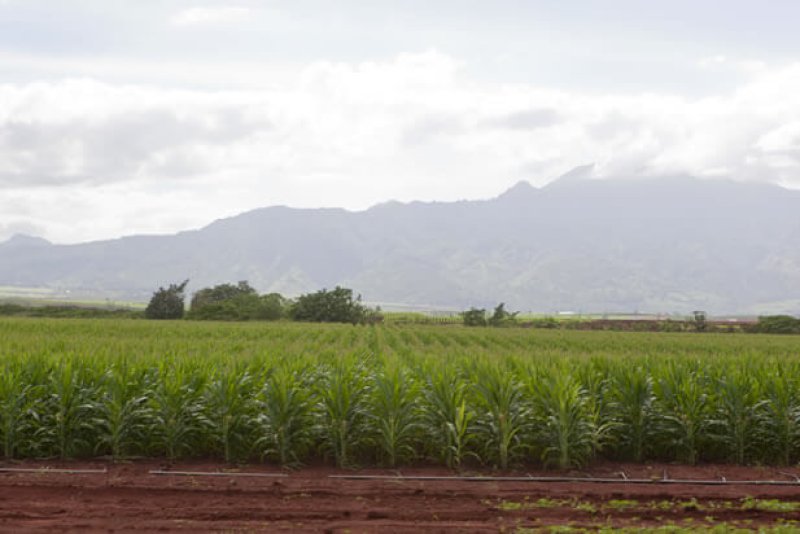
Photo: Ian Umeda via Earth Island Journal

In most regions of the world, row-crop farming is primarily conducted in [large] fields, but knowledge of processes and management recommendations are typically based on research in [small] experimental plots. This scale mismatch has long raised questions about inferences that are made from plot-scale experiments to entire fields or farms

Experimental-scaleโ€“related yield gaps for organic grain crops can be especially substantial. Recent meta-analyses of plot-scale studies suggest organic yield penalties of 20โ€“25% on average, although possibly as low as 8%.ย Farmer surveys, on the other hand, report organic grain yield penalties of 27โ€“34%.

[Key highlights]
  • The corn yield under conventionalย management was almost twice that in the organicย management when precipitation levels exceeded 500 mm.
  • Conventional management was more resilient to field-scale challenges than alternative practices, which were more dependent on timely management interventions; in particular, mechanical weed control.
  • Corn yields in the field-scale experiment Bio [organic] treatment were >45% lower than in Conv [conventional] management, and wheat Bio yields were >30% lower than in Conv management
  • [S]oybean [organic] yield reductions were 55%, 27%, and 88% in 2010, 2011, and 2012, respectively.
[O]rganic performance in developing countries to be even more challenged than in developed countries (43% yield penalties for developing vs. 20% for developed countries). Our findings suggest that this difference will be still greater at the farm scale, emphasizing the special need in developing countries to create technologies that are less time-sensitive and make efficient use of labor. This will be especially important where reduced-input farming is pursued out of necessity rather than choice, for example, in sub-Saharan Africa.

The GLP aggregated and excerpted this blog/article to reflect the diversity of news, opinion and analysis. Read full, original post:ย Field-scale experiments reveal persistent yield gaps in low-input and organic cropping systems

{{ reviewsTotal }}{{ options.labels.singularReviewCountLabel }}
{{ reviewsTotal }}{{ options.labels.pluralReviewCountLabel }}
{{ options.labels.newReviewButton }}
{{ userData.canReview.message }}

Related Articles

Infographic: Global regulatory and health research agencies on whether glyphosate causes cancer

Infographic: Global regulatory and health research agencies on whether glyphosate causes cancer

Does glyphosateโ€”the world's most heavily-used herbicideโ€”pose serious harm to humans? Is it carcinogenic? Those issues are of both legal and ...

Most Popular

Screenshot-2026-04-20-at-2.26.27-PM
Viewpoint โ€” Food-fear world: The latest activist scientists campaign: Cancer-causing additives
Screenshot-2026-03-13-at-12.14.04-PM
The FDA wants to make many popular prescription drugs OTCโ€”a great idea. Hereโ€™s why itโ€™s unlikely to happen
ChatGPT-Image-May-1-2026-02_20_13-PM
How RFK, Jr.โ€™s false vaccine claims are holding up $600 million to fight diseases in poor countries
Screenshot-2026-05-01-at-11.56.24-AM
โ€˜Science moves forward when people are willing to think differentlyโ€™: Memories of DNA maverick Craig Venter
Screenshot-2026-04-03-at-11.15.51-AM
Paraben panic: How a flawed study, media hype, and chemophobia convinced the public of the danger of one of the safest classes of preservatives
viva-la-vida-watermelons
Misinformation and climate change are endangering summer watermelons
Screenshot-2026-04-30-at-2.19.37-PM
5 myths about summer dehydration that could damage your health โ€” or even kill you
ChatGPT-Image-Mar-27-2026-11_27_05-AM
The myths of โ€œprocessโ€: What science says about the โ€œdangersโ€™ of synthetic products and ultra-processed foods
Screenshot-2026-05-04-at-12.54.32-PM
How Utah became the countryโ€™s supplement capitalย  โ€” and a haven for unregulated, ineffective and fake products
ChatGPT-Image-Mar-10-2026-01_39_01-PM
Viewpointโ€”โ€œMiracle moleculeโ€ debunked: Why acemannan supplements donโ€™t work
Drinking lots of water can help reduce the effects of aging
Nanoplastics in drinking water: MAHA activists forge science-based bipartisan coalitionย 
circular-bioeconomy-should-focus-on-sustainable-wellbeing
GLP podcast: What's wrong with 'doomsday' environmentalism? It's false.
79d03212-2508-45d0-b427-8e9743ff6432
Viewpoint: The Casey Means hustleโ€”Wellness woo opportunism dressed up as medical wisdom

Sorry. No data so far.

glp menu logo outlined

Get news on human & agricultural genetics and biotechnology delivered to your inbox.