Long-term study suggests small link between neonicotinoids, wild bee declines

Screen Shot at PM
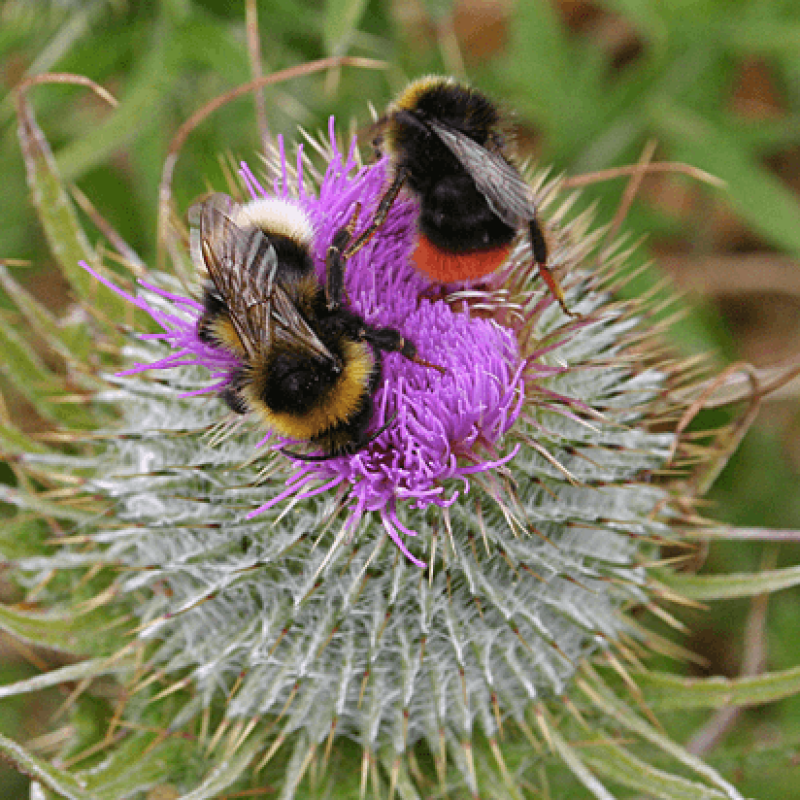
Photo by Anne Burgess

Wild bees that forage from oilseed rape crops treated with. . . neonicotinoids are more likely to undergo long-term population declines than bees that forage from other sources, according to the findings of an 18-year study.

. . . .

Going back to data from 1994 up to 2011, the scientists analyzed how large-scale applications of neonicotinoids to oilseed rape crops influenced bee population changes.

The results, published in the journal Nature Communications, found that bees foraging on treated oilseed rape were three times more likely to experience population declines than bees foraging from other crops or wild plants.

. . . .

[Ben] Woodcock, an ecological entomologist . . .  said the findings showed the extent of the impact.

“Prior to this, people had an idea that something might be happening, but no-one had an idea of the scale,” he told reporters. “(Our results show . . .) it’s long-term, . . .large scale, and . . . more species than we knew about before.”

[The study]  looks at 62 different wild bee species in the UK. For a few bees, the scientists estimate about a fifth of their population declines was due to neonicotinoids.

Woodcock’s team said this should add to the body of evidence being considered in a review of neonicotinoid risks to bees being carried out by the European Food Standards Authority, expected to be completed by January 2017.

The GLP aggregated and excerpted this blog/article to reflect the diversity of news, opinion and analysis. Read full, original post: Long-term study links neonicotinoids to wild bee declines

{{ reviewsTotal }}{{ options.labels.singularReviewCountLabel }}
{{ reviewsTotal }}{{ options.labels.pluralReviewCountLabel }}
{{ options.labels.newReviewButton }}
{{ userData.canReview.message }}

Related Articles

Infographic: Global regulatory and health research agencies on whether glyphosate causes cancer

Infographic: Global regulatory and health research agencies on whether glyphosate causes cancer

Does glyphosate—the world's most heavily-used herbicide—pose serious harm to humans? Is it carcinogenic? Those issues are of both legal and ...

Most Popular

Screenshot-PM-24
Viewpoint: The herbicide glyphosate isn’t perfect. Banning it would be far worse.
d-b
Blocked arteries, kidney stones, nausea, constipation, fatigue: Long list of health problems caused by too much vitamin D 
79d03212-2508-45d0-b427-8e9743ff6432
Viewpoint: The Casey Means hustle—Wellness woo opportunism dressed up as medical wisdom
ChatGPT-Image-Mar-27-2026-11_27_05-AM
The myths of “process”: What science says about the “dangers’ of synthetic products and ultra-processed foods
ChatGPT-Image-Apr-30-2026-12_21_05-PM-2
The tech billionaires behind the immortality movement
ChatGPT-Image-Apr-30-2026-05_00_48-PM
Wellness grifter physician turned wellness influencer out as surgeon general nominee
ChatGPT-Image-Mar-10-2026-01_39_01-PM
Viewpoint—“Miracle molecule” debunked: Why acemannan supplements don’t work

Sorry. No data so far.

glp menu logo outlined

Get news on human & agricultural genetics and biotechnology delivered to your inbox.