Contradicting IARC, World Health Organization says glyphosate unlikely to cause cancer

Screen Shot at AM
Photo by Mike Mozart

The GLP aggregated and excerpted this blog/article to reflect the diversity of news, opinion and analysis.

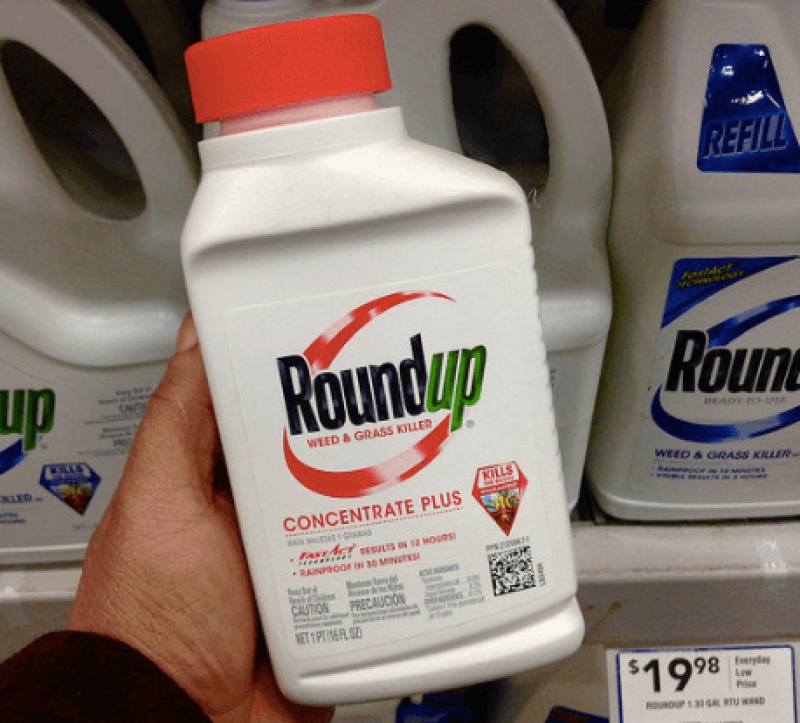
The pesticide glyphosate. . . is unlikely to cause cancer in people, according to a new safety review by United Nations health, agriculture and food experts.

In a statement likely to intensify a row over its potential health impact, experts from the U.N.’s Food and Agriculture Organization (FAO) and World Health Organization (WHO) said glyphosate is “unlikely to pose a carcinogenic risk to humans” exposed to it through food. It is mostly used on crops.

. . . .

“In view of the absence of carcinogenic potential in rodents at human-relevant doses and the absence of genotoxicity by the oral route in mammals, and considering the epidemiological evidence from occupational exposures, the meeting concluded that glyphosate is unlikely to pose a carcinogenic risk to humans from exposure through the diet,” the committee said.

. . . .

The conclusions appear to contradict a finding by the WHO’s Lyon-based International Agency for Research on Cancer (IARC), which in March 2015 said glyphosate is “probably” able to cause cancer in humans and classified it as a ‘Group 2A’ carcinogen.

. . . .

In a question-and-answer document issued alongside the joint FAO/WHO statement, the WHO denied that the conclusions by the joint group and by IARC were contradictory. It said they were “different, yet complementary”. . .

“IARC reviews published studies to identify potential cancer hazards,” the WHO said. “It does not estimate the level of risk to the population associated with exposure to the hazard.”

In contrast, it said, the joint FAO/WHO committee looks at published and unpublished studies to assess the health risk to consumers from dietary exposure to pesticide residues in food.

Read full, original post: U.N. experts find weed killer glyphosate unlikely to cause cancer

{{ reviewsTotal }}{{ options.labels.singularReviewCountLabel }}
{{ reviewsTotal }}{{ options.labels.pluralReviewCountLabel }}
{{ options.labels.newReviewButton }}
{{ userData.canReview.message }}

Related Articles

Infographic: Global regulatory and health research agencies on whether glyphosate causes cancer

Infographic: Global regulatory and health research agencies on whether glyphosate causes cancer

Does glyphosate—the world's most heavily-used herbicide—pose serious harm to humans? Is it carcinogenic? Those issues are of both legal and ...

Most Popular

Screenshot-PM-24
Viewpoint: The herbicide glyphosate isn’t perfect. Banning it would be far worse.
d-b
Blocked arteries, kidney stones, nausea, constipation, fatigue: Long list of health problems caused by too much vitamin D 
Screenshot-2026-04-27-at-12.22.38-PM
Running ‘wild’: Last year, RFK, Jr. was given a green light to ‘reform’ chemical policies. Glyphosate illustrates how Trump now has him on a tight leash, and MAHA is furious
ChatGPT-Image-Apr-22-2026-11_06_18-AM
Wellness influencer nonsense: No, nicotine does not boost cognition and productivity, but it can damage your health 
bayer-supremecourt-lt
EPA concludes glyphosate is not carcinogenic. Missouri courts say Monsanto failed to warn it might be. SCOTUS weighs in.
ChatGPT-Image-Feb-16-2026-01_57_31-PM
Viewpoint: ‘Science-as-Satan’ unites the MAHA—MAGA movements. Is a breakup in the works?
Screenshot-2026-04-27-at-1.40.55-PM
With federal funding for scientific research already reeling, Trump fires the entire apolitical National Science Board
Screenshot-2026-04-13-at-3.54.04-PM
AI disinformation stress test: Challenges and response strategies
Screenshot-2026-04-12-135256
Bixonimania: The fake disease scam that AI swallowed whole
Screenshot-2026-04-27-at-12.41.50-PM
How pediatricians are navigating America’s surge of health misinformation
glp menu logo outlined

Get news on human & agricultural genetics and biotechnology delivered to your inbox.