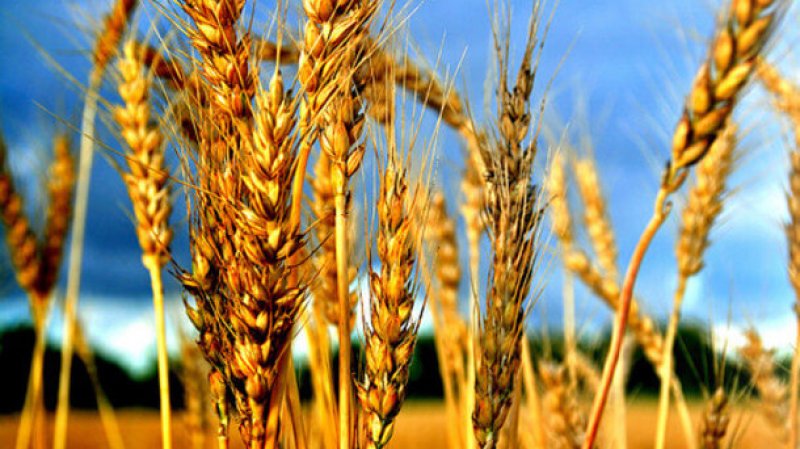
‘GMO wheat’? They’re already eating it in Europe– They call it ‘organic’

Japan calls for more GMO info before lifting US wheat ban strict xxl

The GLP aggregated and excerpted this blog/article to reflect the diversity of news, opinion and analysis.

Here’s my summary of “Un blé bio génétiquement modifié, ça existe déjà.” The article describes in detail how a popular European organic wheat variety was created using transgenic techniques. In fact, this organic wheat variety may be the only GM wheat commercially available in the world. Whoever thought that France and organic agriculture would be world leaders for the introduction of GM wheat? . . .

The variety is ‘Renan’ which is apparently popular with organic wheat growers in France and German, in part because of its good genetic resistance to several types of rust and ‘eye spot’ disease. The most notable difference between Renan and other types of GM transgenic events is that Renan has small pieces of chromosomes transferred from another species which will not cross naturally with bread wheat (Triticum aestivum) – compared to single transferred genes as with other GM events/varieties (examples, Bt corn/cotton, herbicide-tolerant crops and ‘Golden Rice’).  . .

So what’s the difference between Renan and many other GM crop varieties? Not much it appears except for the fact that Renan contains much more transgenic material, has not undergone the large amount of testing for safety and environmental impact as other GM events, and little is known about the mechanisms of the transferred genes.

Think of that while you enjoy your baguette at an organic café sur la Rive Gauche, Paris.

Read full, original post: “A Genetically Modified Organic Wheat? It Already Exists”

{{ reviewsTotal }}{{ options.labels.singularReviewCountLabel }}
{{ reviewsTotal }}{{ options.labels.pluralReviewCountLabel }}
{{ options.labels.newReviewButton }}
{{ userData.canReview.message }}

Related Articles

Infographic: Global regulatory and health research agencies on whether glyphosate causes cancer

Infographic: Global regulatory and health research agencies on whether glyphosate causes cancer

Does glyphosate—the world's most heavily-used herbicide—pose serious harm to humans? Is it carcinogenic? Those issues are of both legal and ...

Most Popular

Screenshot-2026-05-01-at-1.29.41-PM
Viewpoint: What happens when whole grains meet modern food manufacturing? Labels don’t tell the whole story.
S
As vaccine rejectionism spreads, measles may be taking a more dangerous turn
ChatGPT-Image-Apr-13-2026-02_20_22-PM
Viewpoint: Misinformation infodemic? Why assessing evidence is so challenging 
Screenshot-2026-04-20-at-2.26.27-PM
Viewpoint — Food-fear world: The latest activist scientists campaign: Cancer-causing additives
ChatGPT-Image-Mar-27-2026-11_47_30-AM-2
FDA’s expedited drug reviews are hailed in some quarters but other approval practices are problematic
Screenshot-2026-03-13-at-12.14.04-PM
The FDA wants to make many popular prescription drugs OTC—a great idea. Here’s why it’s unlikely to happen
bigstock opioids on chalkboard with rol
GLP podcast: 'Safe injection sites': enabling drug addiction or saving lives?
circular-bioeconomy-should-focus-on-sustainable-wellbeing
GLP podcast: What's wrong with 'doomsday' environmentalism? It's false.
Farmers can talk to plants
Farmers are a major source of misinformation—about farming
Screenshot-2026-04-12-135256
Bixonimania: The fake disease scam that AI swallowed whole

Sorry. No data so far.

glp menu logo outlined

Get news on human & agricultural genetics and biotechnology delivered to your inbox.