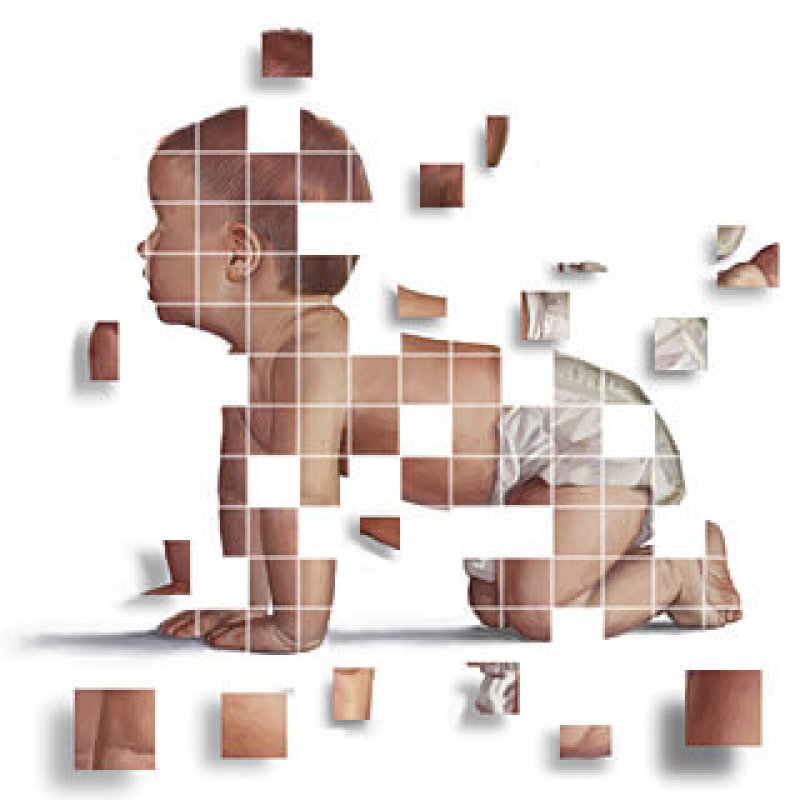
Is designing babies moral duty, or line that shouldn’t be crossed?

regulate designer babies
Credit: New Scientist.

The GLP aggregated and excerpted this blog/article to reflect the diversity of news, opinion and analysis.ย 

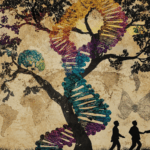
The phrase โ€œdesigner babiesโ€ has been bandied around for decades, but parents seeking to design a baby currently have limited options. They can seek to avoid the birth of a baby with a specific genetic condition, or of an undesired sex, through pre-implantation genetic diagnoses (PGD) which involves IVF and embryo selection.

But they can only select from the available embryos, and, in the UK, only for specified health related conditions. Currently around 360 genetic conditions areย licensed for PGD, and 24 are under consideration. Sex selection in UK is only permitted for sex-linked diseases, although sex selection for non-medical reasons is available commercially, mostly outside Europe.

While parents may say they just want their child to be happy, they are bombarded with advice and guidance from pre-conception onwards and held responsible for their childrenโ€™s health and happiness into adulthood. Parents are encouraged to optimise their childโ€™s development through control of their environment, diet and toys, and by structured activities from babyhood, on everything from opera to forest skills. Control of a (future) childโ€™s genes would offer more opportunities for parental intervention.

Some bioethicists have argued that parents have the right, or even the duty to seek the child most likely to have the best life, based on the available genetic information, including information on non-disease traits. Leaving aside the problem that behavioural and personality traits are not simply genetic, a trait, like intelligence, may be seen as good but does that mean that more of it will necessarily be even better?

Read full, original post:ย Would you edit your unborn child’s genes so they were successful?

{{ reviewsTotal }}{{ options.labels.singularReviewCountLabel }}
{{ reviewsTotal }}{{ options.labels.pluralReviewCountLabel }}
{{ options.labels.newReviewButton }}
{{ userData.canReview.message }}

Related Articles

Infographic: Global regulatory and health research agencies on whether glyphosate causes cancer

Infographic: Global regulatory and health research agencies on whether glyphosate causes cancer

Does glyphosateโ€”the world's most heavily-used herbicideโ€”pose serious harm to humans? Is it carcinogenic? Those issues are of both legal and ...

Most Popular

ChatGPT Image Jun 3, 2026, 03_54_37 PM
Viewpoint: โ€œTurn on, tune in, drop outโ€โ€”Kennedy embraces the Timothy Leary psychedelic revolution
ChatGPT-Image-Jun-11-2026-01_15_03-PM
Selective Pressure, Selective Silence
Screenshot-2026-06-05-at-2.12.30-PM
Some plants can poison you. So how did humans figure out what is safe to eat?
Screenshot-2026-06-11-at-3.40.06-PM
'Toxin' detox: A gastroenterologist weighs in on $71 billion health trend
ChatGPT Image Jun 3, 2026, 03_14_43 PM
Viewpoint: How Earthjustice became the poster child for the abuse of special interest activist funding
Screenshot-2026-06-03-at-1.24.46-PM
Challenging anti-GMO disinformation: Why genetically-tweaked crops offer bushels of benefits
Screenshot-2026-06-05-at-1.44.09-PM
Viewpoint: Scientists have scrapped the worst-case climate scenario. Is that proof that climate change is a hoax, as Trump claims?
ChatGPT Image May 28, 2026, 08_16_38 PM
Viewpoint: Why the EPA mismeasures cancer risk of chemicals and what should be done to fix it
artificial intelligence brain think illustration md
Viewpoint โ€” Digital gods and human extinction: Will we be the first species ever to design our own descendants?

Sorry. No data so far.

glp menu logo outlined

Get news on human & agricultural genetics and biotechnology delivered to your inbox.