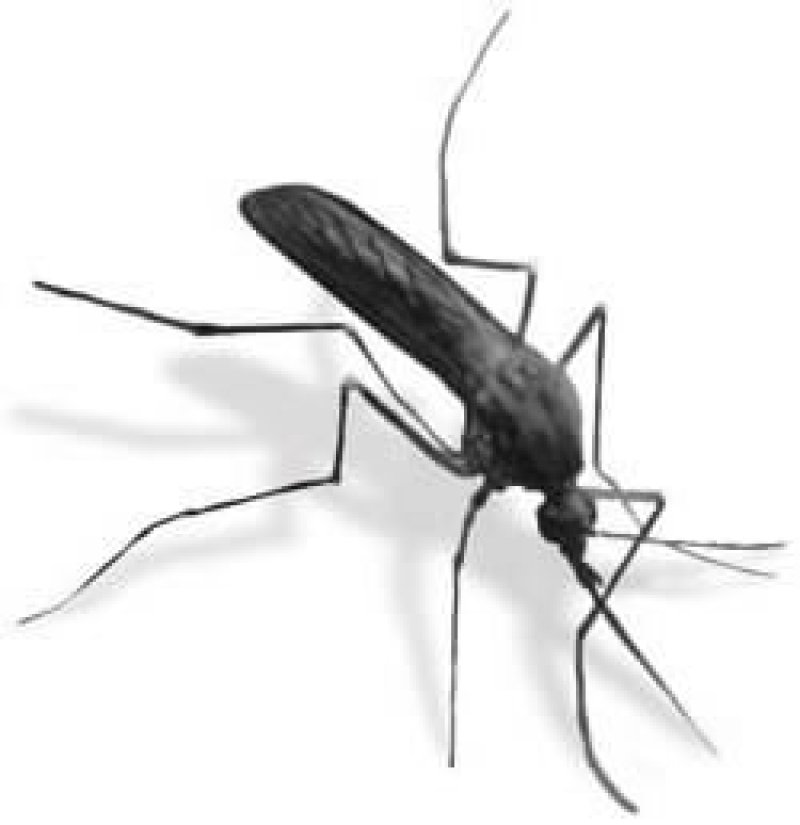
 It’s safe to say that most people have experienced a mosquito bite at some point in life. The insect is infamous for its irritating buzz and itchy bites. But in many parts of the world, mosquitoes pose a much more dangerous threat than a red bump. Mosquitoes are vectors for deadly diseases such as malaria, tularemia, West Nile virus and dengue fever, which can cause serious infection and even death.
Many methods are implemented for control of mosquitoes, such as window screening, nets, and the use of insecticides. But a new genetically modified mosquito presents the most innovative solution yet.
The British biotechnology firm Oxitec has applied to the FDA to release a genetically modified mosquito in Florida to prevent the spread of dengue fever. Although dengue fever is not common in the United States, billions of people worldwide are at risk of infection.
The genetically engineered mosquito has a genetic system scientists call tTa. This gene uses a protein to turn on other genes in the mosquito. The gene is not toxic, but it has the ability to interfere with the mosquitoes’ genetic regulatory system, and it kills the mosquito from within. The protein does not kill the mosquito immediately, instead it allows time for the genetically altered male mosquito to mate, thus producing an offspring which also contains the deadly gene.
This control method is commonly referred to as “sterile insect technique.” The method has been tested before, in places such as Brazil, where the mosquito population experienced an 85% drop.

There have been some concerns raised about the consequences of wiping out such large numbers of an insect population, with some asking what it might do to the ecological balance in certain areas. Fortunately, scientists at Oxitec say the process is most likely reversible, simply by halting the release of the genetically engineered mosquito into the wild.
Additional Resources:
- Can GM mosquitoes rid the world of a major killer?, The Guardian
View the original article here: Release the Franken-Skeeters